Related Articles
You can also visit:
Brand Store name: StickandSealit
www.stickandsealit.com
eBay:
Visit eBay Store
Etsy:
Visit Etsy Shop
Walmart:
View on Walmart
Step One in Truck Dispatching in the USA: Finding the Right Loads
Truck dispatching in the United States follows a clear workflow. Every dispatcher, whether beginner or experienced, knows one thing for sure: everything starts with finding the right load. If step one is weak, the rest of the dispatch process collapses like a house built on sand.
This post breaks down Step One of dispatching in full detail—no shortcuts, no confusion, just real-world knowledge used daily in the U.S. trucking industry.
Understanding Step One in Truck Dispatching
Step one in truck dispatching is load searching and load selection. This is where dispatchers look for freight that matches the driver’s truck, location, schedule, and profit goals.
Think of it like fishing 🎣. You don’t throw a net anywhere and hope for the best. You choose the right spot, the right bait, and the right timing. Load searching works the same way.
Why Step One Is the Most Important Part of Dispatching
Many beginners believe dispatching is mostly about paperwork or calling brokers. That’s only half the story. The truth is:
- A bad load = unhappy driver
- A low-paying load = wasted fuel and time
- A wrong load = delays, fines, or cancellations
A skilled dispatcher protects the driver by filtering loads intelligently before anything is booked.
Information You Must Collect Before Searching for Loads
Before opening any load board, a dispatcher must know the driver’s details. Skipping this step is one of the biggest mistakes beginners make.
Truck Information
You must know:
- Truck type (Dry Van, Reefer, Flatbed, Box Truck)
- Trailer length (48 ft or 53 ft)
- Weight capacity
- Any restrictions (no mountains, no night driving, etc.)
Driver Preferences
Every driver is different. Ask:
- Preferred lanes (states or regions)
- Maximum daily miles
- Home-time requirements
- Willingness to do overnight or weekend deliveries
Current Location
Dispatching always starts from where the truck is now, not where you want it to be.
Load Boards: The Foundation of Step One
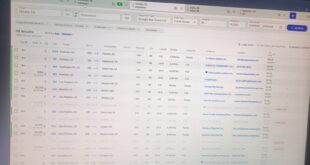
Load boards are online marketplaces where brokers post available freight.
The most commonly used load boards in the USA are:
- DAT
- Truckstop
- 123Loadboard
- Direct broker boards
A dispatcher spends hours daily mastering load boards. This is not optional—it’s the core tool of the job.
How to Search for Loads the Right Way
Searching loads is not about clicking randomly. It’s a structured process.
Start With Origin
Enter the truck’s current city or ZIP code. Set a radius (usually 50–150 miles).
A wider radius gives more options but may add deadhead miles (empty driving).
Choose the Destination Smartly
Avoid searching “anywhere.” Instead:
- Select profitable states
- Avoid low-rate or dead zones
- Consider reload opportunities
Good dispatchers think two loads ahead, not just one.
Understanding Load Details (Line by Line)
Every load post contains critical information. A dispatcher must read carefully.
Pickup and Delivery Locations
Check:
- Exact city and state
- Pickup and delivery dates
- Appointment vs FCFS (first-come, first-served)
Miles
Miles determine fuel cost and rate-per-mile calculations.
Weight
Overweight loads can damage equipment and cause fines.
Commodity
Know what’s being hauled:
- General freight
- Food
- Chemicals
- Machinery
Some commodities require experience or special insurance.
Rate Per Mile: The Golden Rule
Never judge a load by total price alone.
Example:
- Load A: $1,200 for 600 miles = $2.00/mile
- Load B: $1,400 for 900 miles = $1.55/mile
Load A is better, even though it pays less overall.
Professional dispatchers aim for a consistent rate-per-mile, not just big numbers.
Deadhead Miles: The Silent Profit Killer
Deadhead miles are unpaid miles driven to pick up a load.
A good dispatcher:
- Keeps deadhead under control
- Includes deadhead in rate calculations
- Avoids long empty drives unless rates justify it
Ignoring deadhead is like leaking fuel from your tank without noticing.
Market Awareness: Reading the Freight Market
Dispatching is not static. The freight market changes daily.
High Demand Areas
- California
- Texas
- Midwest hubs
Low Demand Areas
- Remote regions
- Seasonal slow zones
Smart dispatchers track:
- Seasonal trends
- Fuel price changes
- Weather impacts
Load Timing and Driver Hours
Even the best-paying load is useless if the driver can’t legally run it.
Dispatchers must consider:
- Hours of Service (HOS)
- Mandatory breaks
- Reset availability
Never book a load that forces a driver into violations.
Avoiding Problem Loads
Not all loads are worth booking.
Red Flags
- Unrealistically high rates
- No pickup/delivery times listed
- Broker refuses basic questions
- Last-minute changes before confirmation
Experienced dispatchers trust their instincts—and verify everything.
Short-Term vs Long-Term Load Strategy
Some loads are chosen for:
- Immediate cash flow
Others are chosen for:
- Positioning the truck in a strong market
Step one is not just about this load, but what comes next.
Communicating With the Driver During Step One
Drivers must be involved early.
Good dispatchers:
- Share load options
- Explain pros and cons
- Respect driver preferences
This builds trust and long-term working relationships.
Documentation Preparedness
Before calling brokers, have these ready:
- MC number
- Insurance details
- Driver availability
- Equipment specs
Being prepared speeds up booking and builds broker confidence.
Common Beginner Mistakes in Step One
Many new dispatchers fail at step one due to:
- Chasing high prices blindly
- Ignoring the rate per mile
- Not checking reload potential
- Overlooking driver limitations
Mistakes at this stage cost real money.
Why Step One Defines Your Success as a Dispatcher
Dispatching is a domino effect. If step one is solid:
- Step two (negotiation) becomes easier
- Step three (booking) is smoother
- Step four (delivery) has fewer problems
A dispatcher who masters step one becomes valuable, trusted, and well-paid.
Conclusion
Step one in truck dispatching in the USA—finding and selecting the right loads—is the foundation of the entire dispatch process. It requires attention to detail, market awareness, communication, and strategy. This is not guesswork or luck; it’s a professional skill developed through practice and discipline.
If you master step one, you protect the driver, maximize profits, and build a reputation as a reliable dispatcher. Every successful dispatch career begins right here.
FAQs
Is finding loads the dispatcher’s main job?
Yes. Load searching and selection is the most critical responsibility.
How long does step one usually take?
It can take minutes in a hot market or hours in a slow market.
Can beginners learn load searching easily?
Yes, with practice, market study, and real-world exposure.
Do dispatchers choose loads without driver approval?
Professional dispatchers always involve the driver.
What is the biggest mistake in step one?
Ignoring the per-mile rate and future reload opportunities.
If you want, you can read:
- Step Two: Negotiating Rates With Brokers
- Step Three: Booking & Paperwork
- Step Four: Load Tracking & Problem Handling
Just tell me 👍
