You can also visit:
Brand Store name: StickandSealit
www.stickandsealit.com
eBay:
Visit eBay Store
Etsy:
Visit Etsy Shop
Walmart:
View on Walmart
You can also visit:
Brand Store name: StickandSealit www.stickandsealit.com
eBay https://www.ebay.ca/usr/stickandseal-it
Etsy https://www.etsy.com/shop/StickandSealit
Walmart https://www.walmart.ca/en/ip/5R81KR3Q3ADK
Step Four in Truck Dispatching in the USA: Load Tracking, Updates, and Problem Handling
If Steps One, Two, and Three are done correctly, Step Four is where everything must be maintained and protected. This is the stage where a dispatcher proves their true value—not by finding loads or negotiating rates, but by keeping the load moving smoothly until final delivery.
Step Four covers:
- Tracking the truck
- Communicating with brokers and drivers
- Handling delays, problems, and emergencies
- Ensuring successful delivery
This step continues from pickup until the load is safely delivered and confirmed.
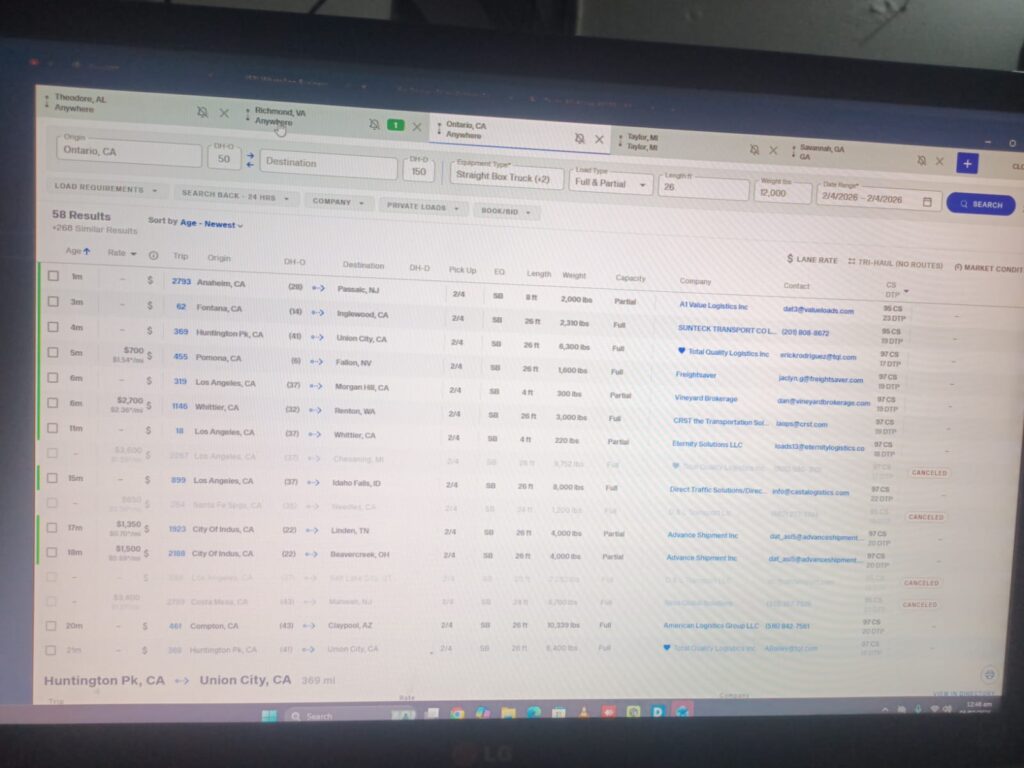
What Is Step Four in Truck Dispatching?
Step Four is the active management phase of a load.
Once the driver picks up the freight:
- The dispatcher monitors progress
- Responds to issues
- Keeps everyone informed
- Protects the driver’s time and pay
Think of Step Four like flying a plane ✈️. The takeoff may be smooth, but the flight still needs constant monitoring until landing.
Why Step Four Is So Important
Most serious dispatch problems happen after pickup, not before.
This step protects:
- On-time delivery
- Broker relationships
- Driver safety
- Payment eligibility
A dispatcher who disappears after booking is not a dispatcher—that’s just a load finder.
Dispatcher Responsibilities After Pickup
Once the driver is loaded, the dispatcher must immediately:
- Confirm pickup is complete
- Collect the signed Bill of Lading (BOL)
- Confirm the estimated delivery time
- Begin tracking
This is where professional dispatching truly starts.
Load Tracking: The Heart of Step Four
Load tracking means knowing where the truck is and what is happening at all times.
Methods of Load Tracking
- Phone calls or text updates
- GPS tracking apps
- Broker tracking systems
- Dispatch software
Some brokers require tracking every few hours. Others track automatically.
Understanding Broker Tracking Requirements
Every broker has different rules.
Some require:
- Daily check calls
- App-based tracking
- Automated GPS links
Failure to comply can result in:
- Rate reductions
- Penalties
- Loss of future loads
A dispatcher must explain tracking rules clearly to the driver.
Communicating With Drivers During Transit
Communication must be balanced.
Good dispatchers:
- Check in without annoying
- Provide support, not pressure
- Stay available
Drivers should feel supported, not monitored like machines.
Providing Updates to Brokers
Brokers expect transparency.
Dispatchers should update brokers when:
- The load is picked up
- The driver is en route
- Delivery ETA changes
- Issues arise
Proactive updates build trust and prevent panic calls.
Handling Delays Professionally
Delays happen. What matters is how they’re handled.
Common Causes of Delays
- Traffic
- Weather
- Mechanical issues
- Dock congestion
A dispatcher must immediately:
- Inform the broker
- Provide a new ETA
- Document the reason
Silence is the worst response.
Weather and Road Conditions
Weather is one of the biggest risks in trucking.
Dispatchers should:
- Monitor weather forecasts
- Advise route adjustments
- Support safety-first decisions
Never pressure a driver to drive unsafely.
Breakdowns and Mechanical Issues
If a truck breaks down:
- Safety comes first
- The dispatcher notifies the broker
- Updates delivery expectations
- Documents everything
Some breakdowns qualify for layover or detention pay.
Detention Time: Protecting Extra Pay
Detention happens when:
- Drivers wait too long at pickup or delivery
Dispatchers must:
- Track arrival times
- Request detention approval
- Submit proof
Many drivers lose detention pay due to poor documentation.
Handling Delivery Appointments
Appointment-based deliveries require precision.
Dispatchers must:
- Confirm appointment times
- Ensure the driver arrives early
- Communicate if delays occur
Missed appointments can lead to:
- Rejections
- Rescheduled delivery
- Reduced pay
Problem Solving During Delivery
Problems can include:
- The receiver refuses the freight
- Wrong paperwork
- Facility delays
The dispatcher becomes the problem solver, coordinating between:
- Driver
- Broker
- Receiver
Calm thinking saves the load.
TONU Situations (Truck Ordered Not Used)
If a load cancels after dispatch:
- Dispatcher requests TONU
- Provides proof
- Secures partial payment
TONU must be approved in writing.
Protecting the Driver’s Hours of Service (HOS)
Dispatchers must monitor:
- Remaining drive time
- Required breaks
- Reset needs
Never push drivers into violations.
End-of-Trip Communication
As delivery approaches:
- Confirm delivery appointment
- Prepare the driver for unloading
- Remind about the signed POD
Good communication prevents last-minute mistakes.
Proof of Delivery (POD): Final Confirmation
After delivery:
- Driver sends signed POD
- Dispatcher verifies details
- Documents are stored safely
POD is the key to payment.
Post-Delivery Updates
Dispatchers should:
- Confirm successful delivery with the broker
- Thank them professionally
- Ask about reloads if applicable
This keeps the business cycle moving.
Handling Disputes After Delivery
Sometimes issues arise:
- Late delivery claims
- Shortage accusations
- Damage claims
Dispatchers must:
- Review paperwork
- Provide evidence
- Communicate professionally
Never argue emotionally.
Why Step Four Builds Long-Term Success
Drivers stay loyal to dispatchers who:
- Solve problems
- Communicate clearly
- Protect safety and pay
Brokers prefer dispatchers who:
- Provide updates
- Handle issues calmly
- Deliver consistently
Step Four builds trust, and trust builds income.
Common Beginner Mistakes in Step Four
Avoid these:
- Ignoring tracking rules
- Failing to update brokers
- Missing detention opportunities
- Disappearing after pickup
These mistakes damage reputation quickly.
Dispatcher Mindset During Step Four
A good dispatcher is:
- Calm under pressure
- Solution-oriented
- Detail-focused
Every load will have issues. How you respond defines your professionalism.
Why Step Four Completes the Dispatch Cycle
Step Four ensures:
- Successful delivery
- Clean paperwork
- On-time payment
- Strong relationships
Without this step, dispatching is incomplete.
Conclusion
Step Four in truck dispatching—load tracking, updates, and problem handling—is where real dispatchers prove their worth. This step requires communication, patience, organization, and quick decision-making. From pickup to final delivery, the dispatcher is the silent support system keeping everything on track.
Master Step Four, and you become more than a dispatcher—you become a trusted logistics professional in the U.S. trucking industry.
FAQs
How often should dispatchers update brokers?
At pickup, during transit if needed, and immediately if issues arise.
What if a driver refuses tracking?
Explain broker requirements clearly before pickup.
Can dispatchers request detention automatically?
No. Detention must be approved and documented.
Who handles delivery problems—the driver or dispatcher?
The dispatcher coordinates and resolves issues.
Is Step Four stressful?
It can be, but experience makes it manageable and rewarding.
If you want, the final part
👉 Step Five: Invoicing, Payment Follow-Up, and Closing the Load
Just say ✔️
You can also visit:
Brand Store name: StickandSealit www.stickandsealit.com
eBay https://www.ebay.ca/usr/stickandseal-it
Etsy https://www.etsy.com/shop/StickandSealit
Walmart https://www.walmart.ca/en/ip/5R81KR3Q3ADK
